
Natural-Looking Cosmetic Repairs for Your Smile
Dental bonding is a conservative cosmetic procedure that can improve your smile in a single office visit. We use tooth‑colored composite resin to repair chipped, cracked, or discolored teeth while preserving natural tooth structure.

Why Patients Trust Us for Dental Bonding
✔ Experienced cosmetic dentistry team focused on precision and aesthetics
✔ High‑quality composite bonding materials for natural, durable results
✔ Modern dental technology designed for comfort and efficiency
What Is Dental Bonding?
Dental bonding or tooth bonding is a cosmetic dental treatment that uses a tooth‑colored resin to improve the appearance of teeth. Dental bonding can be used to address:
- Chipped teeth
- Cracked teeth
- Gaps between teeth
- Minor misalignment
- Gum recession
- Discolored teeth that do not respond well to teeth whitening
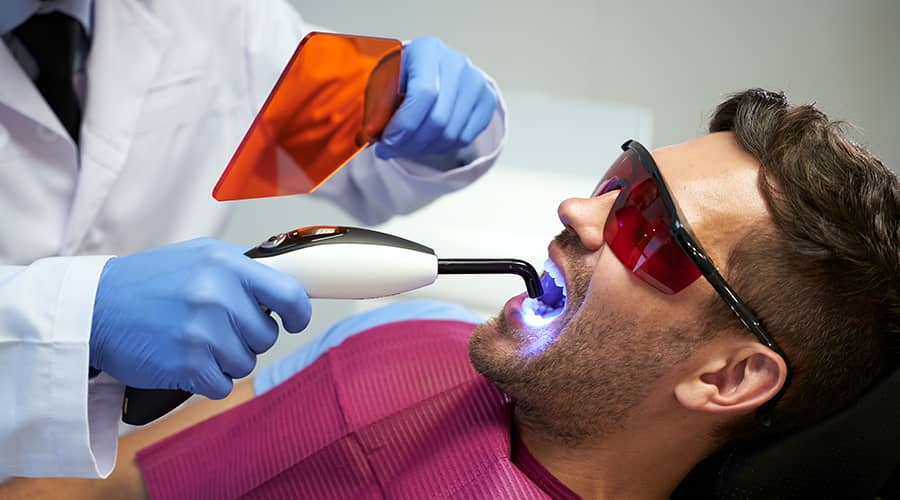
A plastic resin or composite resin filling is carefully shaped and bonded to the tooth. The bonding resin is hardened using a curing light or ultraviolet light, then polished to blend seamlessly with your natural smile. Bonding is often used as a standalone cosmetic treatment or as part of a broader smile makeover.
What Are the Benefits of Dental Bonding?
Dental bonding offers several advantages for patients seeking cosmetic dental treatments:
- Minimally invasive with little to no enamel removal
- Natural appearance using tooth‑colored composite resin
- Fast results, often completed in one visit
- Cost‑effective compared to porcelain veneers or crowns
- Versatile solution for multiple cosmetic concerns
For many patients, composite bonding is an efficient way to improve the look of their smile while supporting long‑term dental care.
What to Expect During the Dental Bonding Process
Dental bonding is typically completed in a single office visit. Anesthesia is not usually needed unless the tooth requires reshaping.
1. Consultation and Evaluation
We begin by discussing your cosmetic goals and evaluating your teeth and gums. X‑rays may be taken to assess tooth structure and overall oral health. Any underlying concerns, such as active decay or gum disease, must be addressed before bonding to get the best results.
2. Shade Selection and Tooth Preparation
Once bonding is confirmed as the right option, we select a composite resin shade that closely matches your natural teeth. The tooth surface is then gently prepared, including light roughening of the enamel to help the bonding material adhere securely. In some cases, minor reshaping may be needed.
3. Composite Bonding Application
A conditioning liquid or bonding agent is applied to the prepared tooth surface. The composite resin is then placed, molded, and sculpted to restore natural shape and function. We carefully refine the bite, shape, and contours to ensure a balanced, natural‑looking smile.
4. Curing and Final Polishing
A curing light or ultraviolet light hardens the bonding material. Once set, excess resin is trimmed away and the tooth is polished for a smooth, natural finish. Bonding typically takes 30–60 minutes per tooth and is often completed in a single visit.
Are There Any Limitations?
While cosmetic dental bonding is durable, it is not as stain‑resistant or long‑lasting as porcelain veneers or porcelain crowns. Bonded teeth may require occasional touch‑ups over time, especially for patients who grind their teeth or consume staining foods and drinks.
If you’re considering teeth whitening, we recommend completing whitening before your bonding appointment. Bonding resin is matched to your natural enamel and does not whiten, so whitening afterward can lead to color differences.
Our team will help you choose the option that best fits your goals, timeline, and budget.
📌 Did You Know?
Dental bonding works best for small cosmetic corrections. For more extensive cosmetic or structural changes, porcelain veneers or porcelain crowns may be a better option.
Caring for Bonded Teeth
After dental bonding, maintaining good oral hygiene is essential. Brush twice daily, floss regularly, and keep up with routine dental visits. Avoid chewing on hard objects and limit habits that could chip the resin.
With proper dental care, bonded teeth can last for several years before needing maintenance.
How Much Does Dental Bonding Cost?
The cost of dental bonding depends on the number of teeth treated and the complexity of the case. Because bonding can support oral health or repair damage, insurance may cover part of the procedure in some situations. Purely cosmetic bonding is typically not covered.
Our team will review your dental services, insurance benefits, and financing options before treatment.
Refresh Your Smile with Dental Bonding
If you are looking for a simple way to correct minor imperfections, dental bonding may be the right solution. At Morris Dental Solutions, we combine advanced dental technology with thoughtful cosmetic dentistry to help you feel confident in your smile.
To book an appointment at our dental office in Buffalo Grove, call (847) 215-1511 or visit us at 195 N Arlington Heights Rd Ste 160, Buffalo Grove, IL 60089.
Call UsFAQs
With good oral hygiene, dental bonding typically lasts 5–10 years before needing repair or replacement.
Insurance may cover bonding when it restores tooth function or structure. Cosmetic bonding is usually not covered.
Dental bonding is generally painless and rarely requires anesthesia.
Bonding resin cannot be whitened. If you’re considering teeth whitening, it’s best to do it before bonding.
Morris Dental Solutions provides dental bonding and cosmetic dentistry services for patients in Buffalo Grove, Arlington Heights, Glenview, Des Plaines, Palatine, and nearby communities.