
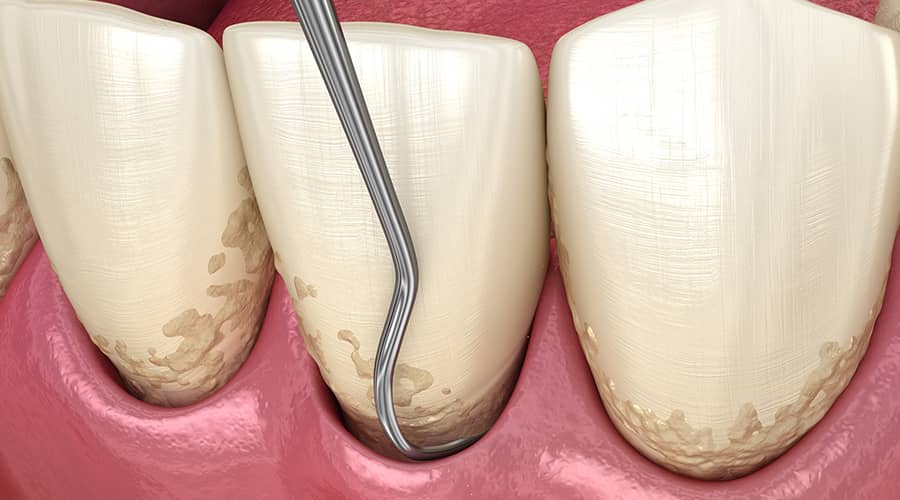
Deep Cleanings to Restore Gum Health
Bleeding gums or bad breath can be early signs of gum infection. This condition can quietly damage the soft tissues and bone supporting your teeth, but deep cleaning can stop it and help restore gum health.

Why Patients Trust Us for Periodontal Deep Cleanings
✔ Comprehensive gum health evaluations using digital X-rays and intra-oral images
✔ Gentle, thorough cleanings with advanced instruments and laser dentistry options
✔ Comfortable, patient-centered care focused on lifelong oral health
✔ Convenient Buffalo Grove location and support for most dental insurance plans
What Is Scaling and Root Planing?
Scaling and root planing, also known as a deep cleaning, is a non-surgical periodontal therapy that removes plaque, tartar, and bacteria from below the gum line.
- Scaling involves carefully removing hardened deposits from the tooth surface and roots.
- Root planing smooths the tooth roots to help the gums reattach and prevent bacteria from reaccumulating.
This treatment is often recommended when pockets form between the gums and teeth, a common sign of periodontal disease. By reducing pocket depth and removing infection-causing bacteria, scaling and root planing help prevent further gum recession, bone loss, and tooth loss.
How Do I Know If I Need Scaling and Root Planing?
During your oral health evaluation, our team will perform a thorough examination, review digital X-rays, and measure gum pocket depth to determine the best treatment plan.
You may require this treatment if you:
- Have bleeding or swollen gums
- Notice gum recession or loose teeth
- Experience chronic bad breath or a bad taste in your mouth
- Have not had a dental cleaning in several years
- Were diagnosed with mild to moderate periodontal disease
What Happens During Scaling and Root Planing
Every deep cleaning visit is personalized and follows a few key steps:
1. Comprehensive Evaluation
Your visit begins with a detailed dental exam and gum assessment. We use digital X-rays and intra-oral images to identify areas of bone loss, infection, or inflammation.
2. Local Anesthesia
To keep you comfortable, the treated area is gently numbed. Dental sedation options may also be available for patients with dental anxiety.
3. Deep Cleaning Below the Gum Line
Using specialized instruments, we carefully remove plaque, tartar, and bacteria from the tooth roots and gingival tissue. Laser dentistry may be used to further disinfect deep pockets and promote healing.
4. Root Planing and Smoothing
The root surfaces are polished and smoothed to help healthy soft tissues reattach, reducing pocket depth and preventing future buildup.
5. Follow-Up and Maintenance
Depending on the severity of gum disease, treatment may be completed over one or two visits. We’ll schedule a follow-up to monitor healing and evaluate your progress.
Healing and Recovery After Deep Cleaning
Mild tenderness or gum sensitivity is normal for a few days following treatment. You may notice temporary bleeding or slight swelling as your gums heal.
To support recovery:
- Rinse with warm salt water or an antimicrobial mouthwash as directed
- Eat soft foods for the first day or two
- Brush and floss gently along the gum line
- Attend all follow-up visits and periodontal maintenance cleanings
With proper care, your gums will begin to heal and tighten around your teeth, improving both comfort and appearance.
Bacteria Testing
Bacteria testing is a simple diagnostic tool we use to better understand the health of your gums. During the test, a small sample of plaque or saliva is collected and analyzed to identify the specific types of bacteria present in your mouth.
Certain bacteria are closely linked to gum disease, bone loss, and even systemic health concerns. Knowing exactly which strains are active allows us to provide more targeted treatment.
By combining scaling and root planing with bacteria testing, we can address not only the symptoms of gum disease but also its root cause. This personalized approach leads to more effective treatment, helps reduce the risk of future infection, and supports your long-term oral and overall health.
Bacteria testing can:
- Provide a clearer picture of your oral health
- Allow for more precise, targeted treatment
- Help detect harmful bacteria linked to gum disease early
- Reduce the risk of recurring infection
- Support better long-term gum and overall health
Benefits of Scaling and Root Planing
Deep cleanings play an important role in controlling gum disease and protecting your oral health over time. Benefits include:
- Remove harmful bacteria and plaque buildup below the gum line
- Reduce inflammation and prevent further bone loss
- Promote gum reattachment for stronger tooth support
- Improve breath and overall oral health
- May reduce the need for more invasive procedures like tooth extractions or bone grafting
Together with good home care and routine dental cleanings, scaling and root planing are key steps in maintaining a healthy, lasting smile.
Gum disease is one of the leading causes of tooth loss in adults—but it’s also preventable. Regular dental exams and professional deep cleanings can stop early gum infection before it leads to permanent damage.
How Much Does Scaling and Root Planing Cost?
The cost depends on the number of teeth treated and the severity of periodontal disease. Most dental insurance plans cover scaling and root planing as a medically necessary procedure for treating gum disease.
Our team will review your coverage, explain any out-of-pocket costs, and provide a clear estimate before treatment begins.
Schedule a Consultation Today
Scaling and root planing are essential steps in restoring gum health and preventing further damage. At Morris Dental Solutions, we provide gentle, thorough care designed to help you achieve a healthier smile.
To book an appointment at our dental office in Buffalo Grove, call (847) 215-1511 or visit us at 195 N Arlington Heights Rd Ste 160, Buffalo Grove, IL 60089.
Call UsFAQs
Treatment time depends on the severity of gum disease. Most patients require one to two visits, each lasting about 60–90 minutes per quadrant.
The procedure is performed under local anesthesia for your comfort. Some mild soreness or sensitivity may occur afterward, but this usually subsides within a few days.
When gum disease progresses beyond the reach of routine dental cleanings, deep cleaning is necessary to remove infection, prevent bone loss, and protect your overall oral health.
Most patients require one to two initial visits, followed by regular maintenance cleanings every 3–4 months to prevent bacteria from returning.
Smoking after treatment can slow down healing and increase the risk of infection. Tobacco restricts blood flow to the gums, making it harder for tissue to repair and reattach. For the best results, avoid smoking for at least 48–72 hours after your procedure, or longer if possible.
Morris Dental Solutions proudly offers scaling and root planing in Buffalo Grove, Arlington Heights, Barrington, Long Grove, Highland Park, and surrounding areas.


