
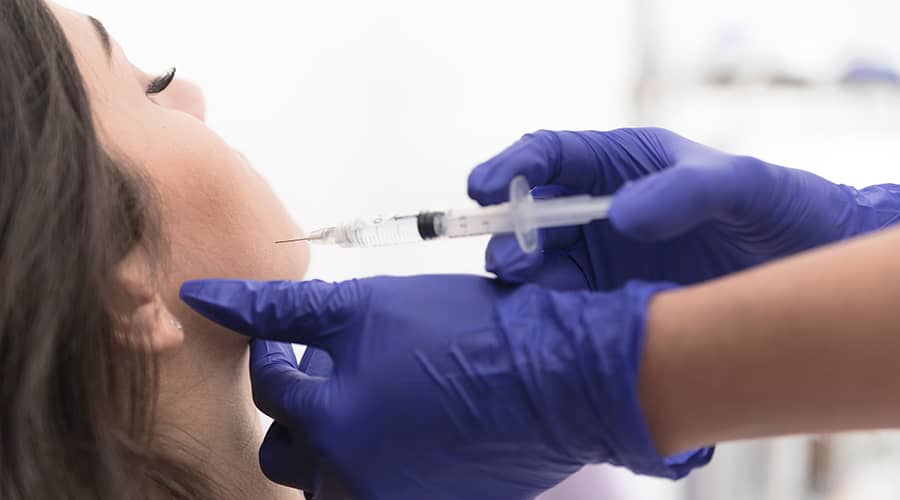
Relief from Jaw Pain, Headaches, and Teeth Grinding
Temporomandibular joint disorder can cause persistent jaw pain, headaches, facial tension, and difficulty chewing. When jaw muscles remain overactive from clenching or grinding, the surrounding joints and tissues may become inflamed and painful.

Why Patients Trust Us for Botox for TMJ
✔ Experienced dentists trained in therapeutic Botox injections
✔ Careful evaluation of jaw muscles and bite alignment
✔ Botox used alongside proven TMJ therapies when appropriate
✔ Personalized treatment plans designed to reduce pain and protect teeth
What Is TMJ Disorder?
TMJ, or temporomandibular joint disorder, refers to a group of conditions affecting the jaw joint and surrounding facial muscles. The temporomandibular joint connects the lower jaw to the skull and allows movements needed for chewing, speaking, and swallowing.
Causes of TMJ Disorders
TMJ disorders often involve inflammation or excessive tension in the masseter and temporalis muscles, which are responsible for jaw movement.
Common causes include:
- Teeth grinding or clenching (bruxism)
- Jaw trauma or injury
- Stress-related muscle tension
- Arthritis in the jaw joint
- Obstructive sleep apnea
Symptoms of TMJ Disorder
Symptoms can vary but may include:
- Jaw pain or stiffness
- Headaches or facial pain
- Clicking or popping sounds in the jaw
- Difficulty chewing
- Difficulty opening the mouth wide
- Neck or shoulder pain
These symptoms often develop when the jaw muscles remain tense or overworked, which is where treatments like Botox may help reduce muscle activity and relieve discomfort.
How Botox Helps Treat TMJ Disorders
Botox, also known as botulinum toxin, is commonly used in both medical and cosmetic treatments. For TMJ therapy, Botox works by relaxing the overactive jaw muscles responsible for clenching and grinding.
By reducing excessive muscle activity, Botox can help:
- Decrease jaw tension and pain
- Reduce grinding and clenching
- Improve jaw movement and comfort
- Protect teeth from grinding damage
Botox is often used alongside other TMJ treatments such as night guards, physical therapy, or bite correction. In some cases, Botox alone provides significant symptom relief.
Am I a Candidate for Botox to Treat TMJ?
You may be a candidate for Botox therapy if you experience:
- Frequent jaw pain or muscle tension
- Teeth grinding or clenching
- Chronic headaches related to jaw tension
- Facial pain associated with TMJ disorder
Botox is not appropriate for every patient. During your consultation, Dr. Morris, Dr. Chen or Dr. Spina will evaluate your symptoms, jaw function, and medical history to determine whether Botox is an appropriate option.
Will Botox for TMJ Change My Appearance?
In some cases, Botox may slightly slim the lower face by relaxing overactive jaw muscles. When the masseter muscles are chronically overworked, they can become enlarged and cause the face to appear wider.
Relaxing these muscles may create a more balanced facial appearance while also relieving jaw tension. The primary goal of treatment, however, is therapeutic relief from TMJ symptoms.
Are There Any Risks or Side Effects?
Botox injections are considered safe when administered by trained medical professionals. However, like any medical treatment, potential side effects may occur.
Possible risks include:
- Mild swelling or bruising at the injection site
- Temporary muscle weakness
- Rare allergic reaction
Most side effects are temporary and resolve quickly. Your dentist will review your medical history and medications before treatment to minimize risks.
How Much Does Botox for TMJ Cost?
The cost of Botox treatment varies depending on the number of injections required and the severity of muscle tension. Botox/Xeomin costs around $10.00 per unit and can take as little as 40 units up to 60 or more depending on the severity.
Because Botox for TMJ is considered a therapeutic procedure, coverage may vary depending on your insurance plan. Our team will review treatment options and provide a clear estimate before beginning therapy.
Take the First Step Toward Relief from TMJ Pain
Chronic jaw tension, headaches, and facial pain can affect daily comfort and quality of life. Botox therapy offers a minimally invasive option for relaxing overactive jaw muscles and improving TMJ symptoms.
To book an appointment at our dental office in Buffalo Grove, call (847) 215-1511 or visit us at 195 N Arlington Heights Rd Ste 160, Buffalo Grove, IL 60089.
Call UsBotox Treatments for TMJ FAQ
Most Botox treatments last about three to four months. Follow-up injections may be recommended to maintain symptom relief.
Most patients report only mild discomfort during injections, often described as a small pinch.
Many patients notice improvement within the first week, though full results may take up to two weeks.
Botox does not cure TMJ permanently but can significantly reduce symptoms by relaxing the muscles responsible for clenching and grinding.